
In today’s world, power outages have become a common occurrence, especially in areas with harsh weather conditions like Ontario. The inconvenience and potential danger of being without power can be mitigated by having a reliable backup generator system in place. However, the effectiveness of your backup generator depends significantly on how it’s connected to your home. This is where the choice between a GenerLink, a manual transfer switch, and an automatic transfer switch (ATS) comes into play.
In this post, we’ll break down these three options, discuss the types of generators they require, and provide some handy statistics that may help you make an informed decision on installing one of these devices.
1. GenerLink: Simplicity and Convenience
What is it?
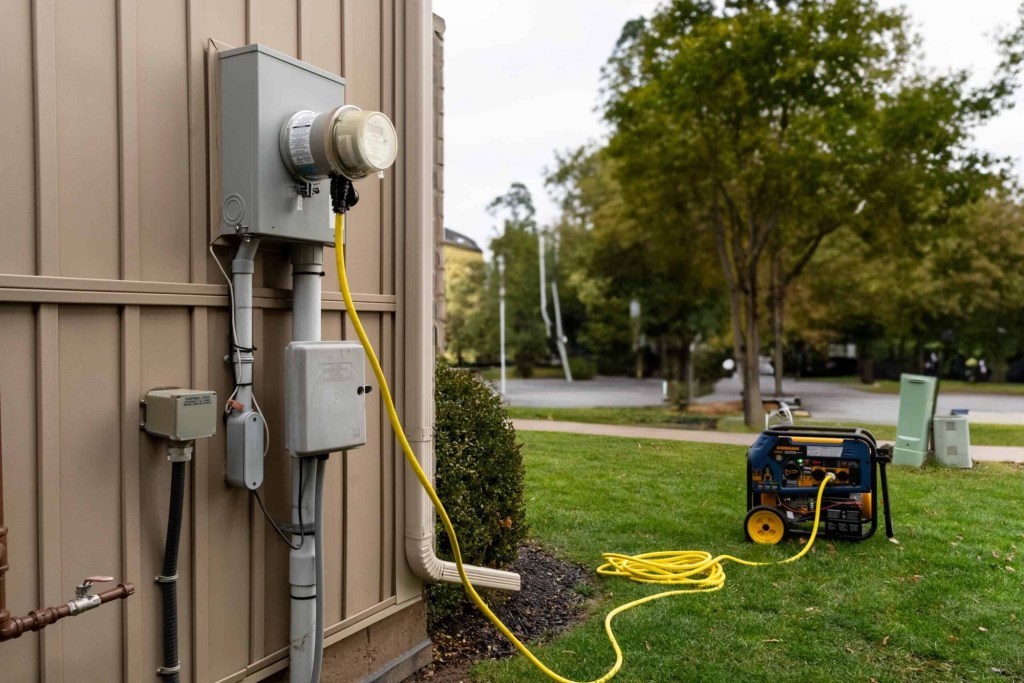
GenerLink is a plug-and-play device that connects directly to your home’s electrical meter. It allows you to connect a portable generator to your home’s electrical system without the need for rewiring or costly electrical work. When a power outage occurs, you simply plug your generator into the GenerLink device, and it powers your home circuits.
Types of Generators Needed:
GenerLink is designed for use with portable generators, usually those with a capacity ranging from 3,500 to 10,000 watts. Most portable generators that are compatible with GenerLink will have a 240V, 30A outlet, which is the standard for these devices.
Pros:
- Ease of Installation: No need for complex wiring; can be installed in less than 30 minutes by a licensed electrician.
- Flexibility: Easily switch between generator power and utility power.
- Cost-Effective: Lower upfront cost compared to other options.
Cons:
- Manual Operation: You still need to manually connect your generator when the power goes out.
- Limited Capacity: Best suited for small to mid-sized homes and portable generators.
2. Manual Transfer Switch: Control and Customization
What is it?
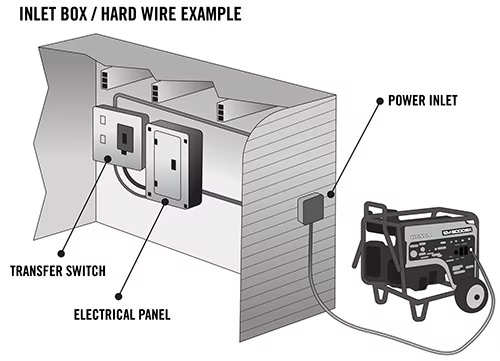
A manual transfer switch is a device installed next to your home’s electrical panel that allows you to switch between utility power and generator power manually. During an outage, you simply start your generator, plug it into the switch, and flip the switch to transfer power from the generator to selected circuits in your home.
Types of Generators Needed:
Manual transfer switches can be used with both portable and standby generators. Portable generators should be in the 5,000 to 10,000-watt range, while standby generators typically offer higher capacities, starting from 10,000 watts and above.
Pros:
- Customizable: You can choose which circuits in your home you want to power.
- Affordable: Less expensive than an automatic transfer switch.
- Reliable: Simple mechanical operation with less chance of failure.
Cons:
- Manual Operation: You need to be home to start the generator and switch the power.
- Installation Cost: Requires professional installation, which can be more expensive than a GenerLink.
3. Automatic Transfer Switch (ATS): Seamless and Stress-Free
What is it?
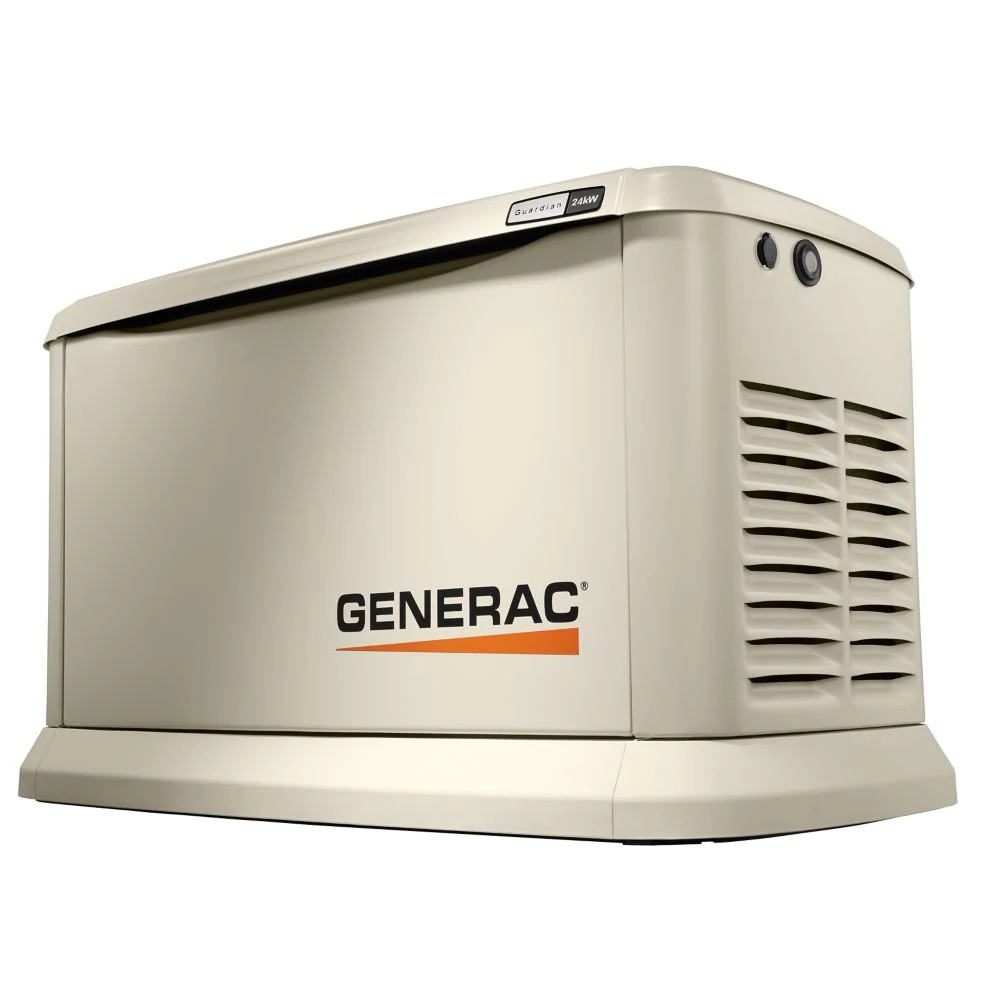
An automatic transfer switch (ATS) is the gold standard for home generator systems. It automatically senses a power outage, starts your standby generator, and transfers your home’s power source from the utility to the generator within seconds—without any input from you.
Types of Generators Needed:
ATS systems are typically paired with standby generators that offer 10,000 watts or more, depending on your home’s needs. These generators are permanently installed outside your home and are fueled by natural gas or propane.
Pros:
- Fully Automatic: No need to be present or take any action during a power outage.
- Whole-Home Coverage: Can be configured to power your entire home, including high-demand appliances like HVAC systems.
- Increased Property Value: An ATS with a standby generator can increase your home’s value and appeal.
Cons:
- Cost: The most expensive option, both in terms of equipment and installation.
- Complex Installation: Requires a licensed electrician for installation and regular maintenance.
Statistics to Show Why a Backup Generator is a Great Purchase
- Power Outage Frequency: On average, Ontario experiences 11-20 power outages per year, lasting anywhere from 1 to 8 hours. Having a reliable backup system can save you from hours or days of discomfort and potential property damage.
- Home Value Boost: Installing an ATS and standby generator can increase your home’s resale value by up to 5%, making it a worthwhile investment.
- Safety and Convenience: An ATS eliminates the need to go outside in inclement weather to start your generator, providing seamless power restoration.
- Energy Consumption: The average Canadian home consumes about 30 kWh of electricity per day. A 10,000-watt generator can comfortably power essential circuits, including lighting, heating, and appliances.
Which Option is Right for You?
- GenerLink: Ideal for homeowners looking for an easy, cost-effective solution with a portable generator. Perfect for small to medium-sized homes.
- Manual Transfer Switch: A great option if you prefer to have control over which circuits to power and have a portable or small standby generator.
- Automatic Transfer Switch: The best choice for those who want complete peace of mind and are willing to invest in a comprehensive backup power system.
Choosing the right power transfer solution depends on your budget, the size of your home, and how much convenience and coverage you desire. Whether you opt for a GenerLink, manual transfer switch, or ATS, ensuring your home has a reliable backup power system is essential for safeguarding your comfort and safety during power outages.
At Polecat Power Line Company, we specialize in the installation of all these systems and can help you select the perfect setup tailored to your needs. Contact us today to schedule a consultation and ensure your home is prepared for the next outage.
 Polecat Power Line Company
Leave a comment