
The power line construction industry plays a crucial role in ensuring the delivery of electricity to homes, businesses, and industries worldwide. As we move further into the 21st century, the landscape of power line construction is evolving due to technological advancements, sustainability initiatives, and increased demand for more efficient and resilient energy infrastructure. In this article, we’ll explore some of the key trends that are shaping the future of the power line construction industry.
1. Smart Grids and Digital Transformation
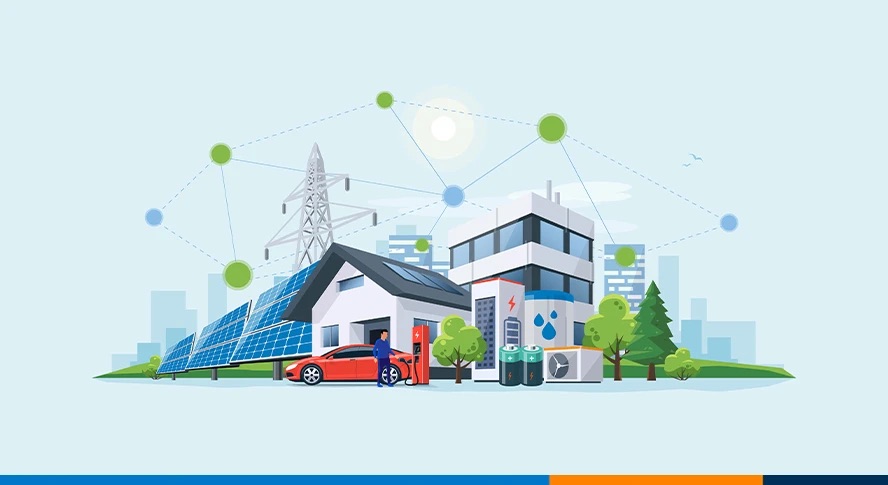
One of the most significant trends in the power line construction industry is the shift toward smart grids. A smart grid is an electrical network that uses digital technology to monitor and manage the flow of electricity from power plants to homes and businesses. This innovation allows for more efficient distribution, better management of energy usage, and quicker responses to issues like outages.
Smart grid technologies rely heavily on advanced power line construction methods, including the integration of sensors and communication devices into power lines. These improvements allow utility companies to detect issues in real time, reduce energy loss, and improve the reliability of the grid. As governments and private companies invest in smart grid development, the demand for construction teams skilled in these advanced technologies will continue to grow.
2. Renewable Energy Integration
As the world moves toward more sustainable energy sources, the power line construction industry is seeing increased demand for projects that support renewable energy integration. Solar and wind energy, in particular, require new transmission lines to connect remote energy production facilities to existing grids.
Construction projects for wind farms and solar installations often involve building extensive power lines in rural and challenging environments. This trend not only increases the need for skilled workers but also calls for new methods and materials in power line construction. For example, to accommodate the unique challenges of connecting renewable energy sources to the grid, companies are developing innovative power transmission systems that can handle the intermittent nature of renewable energy production.
Moreover, the push for cleaner energy aligns with broader trends in energy decentralization. More homes and businesses are installing solar panels and wind turbines, creating a demand for microgrids and local power generation solutions. This decentralized model requires new kinds of power line infrastructure, including flexible and scalable distribution networks.
3. Underground Power Lines and Resilience
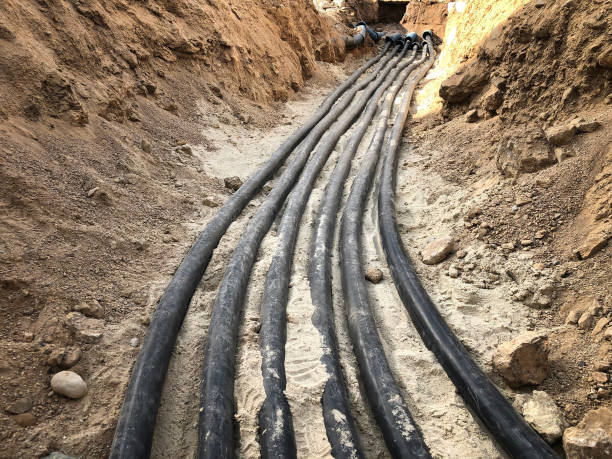
Power outages caused by severe weather events, such as hurricanes, wildfires, and ice storms, have led to an increased interest in underground power lines. Unlike traditional overhead power lines, underground lines are less susceptible to damage from environmental factors, making them a more resilient option for areas prone to extreme weather.
While underground power lines are more expensive to install, they offer significant benefits in terms of safety, reliability, and long-term cost savings. As climate change leads to more extreme weather events, the demand for underground power line construction is expected to grow, particularly in urban areas and regions with high storm activity. This shift is also reflected in local and national policies, which are encouraging more resilient energy infrastructure.
4. Drones and Robotics in Power Line Inspection
Inspection and maintenance of power lines are essential to ensuring the safety and reliability of the grid. Traditionally, this task involved sending workers to inspect power lines physically, often using helicopters, trucks, or climbing the poles themselves. However, the integration of drones and robotics is revolutionizing this process.
Drones equipped with high-resolution cameras and sensors can quickly and safely inspect power lines, identifying potential issues such as damaged cables, corrosion, or vegetation interference. This technology reduces the need for manual labor, lowers costs, and improves safety by allowing workers to inspect lines without having to be exposed to the dangers of working at height.
The use of drones and robotic technologies is expected to continue growing, leading to more efficient inspections and maintenance. This will improve the overall reliability of power line infrastructure and reduce downtime caused by outages.
5. Sustainability and Green Materials
Sustainability is a growing focus in every industry, and the power line construction sector is no exception. From the materials used to build transmission towers to the methods employed to minimize environmental impact during construction, the industry is exploring ways to reduce its carbon footprint.
One significant development is the use of green materials in power line construction. For example, some companies are turning to sustainable wood for power poles, which reduces the environmental impact compared to traditional steel or concrete poles. Additionally, there’s a growing trend toward recycling materials, such as repurposing old cables and transformers for new projects.
Sustainability also extends to the operational side of power line construction. Many companies are adopting eco-friendly practices to reduce energy consumption, lower emissions, and minimize waste during construction and maintenance activities. As governments and communities place more pressure on industries to meet sustainability goals, these eco-friendly practices will continue to shape the future of power line construction.
6. Skilled Labor Shortage and Training Initiatives
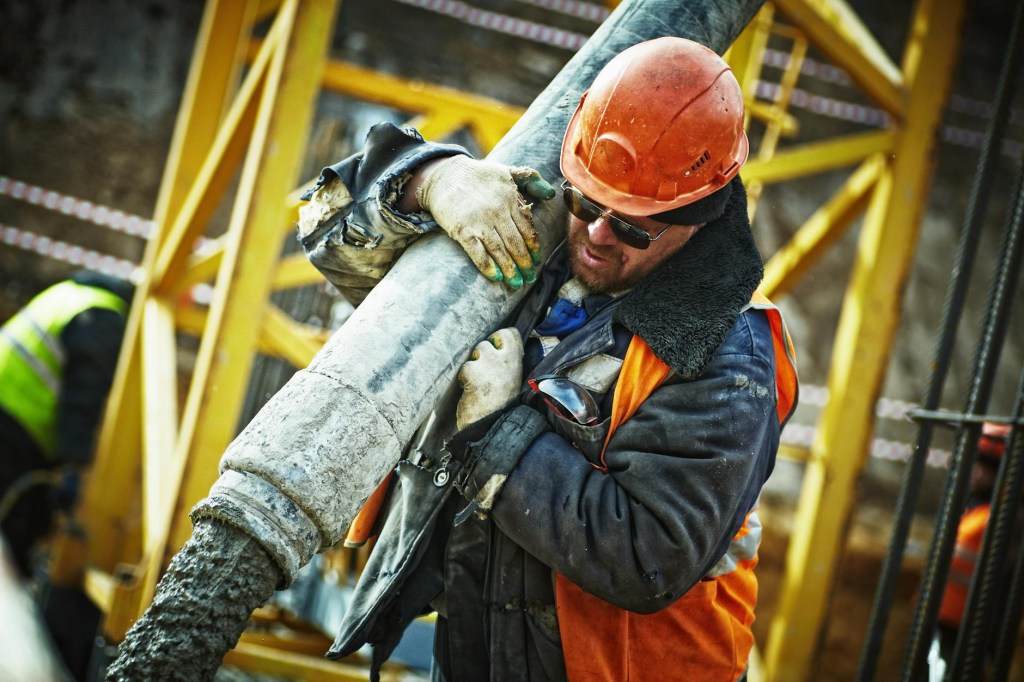
As the power line construction industry adapts to new technologies and higher demand, there’s an increasing need for skilled workers. The industry is already facing a labor shortage, with many experienced professionals retiring and not enough younger workers entering the field to replace them.
To address this issue, companies and educational institutions are investing in training programs to prepare the next generation of power line workers. These programs are focusing on skills related to both traditional and advanced power line construction, as well as safety protocols and new technologies like smart grids and drone inspections.
The industry is also embracing diversity and inclusion by making a concerted effort to attract more women and underrepresented groups into power line construction, thereby broadening the talent pool.
7. Increased Government Investment in Infrastructure
Governments around the world are increasingly recognizing the importance of investing in infrastructure to ensure long-term economic growth and energy security. In the U.S., Canada, and Europe, federal and provincial governments have been allocating funds to modernize power grids, build new transmission lines, and improve overall energy distribution networks.
For example, the Infrastructure Investment and Jobs Act passed in the U.S. includes billions of dollars earmarked for power grid modernization and renewable energy integration. Similarly, Canada has made significant investments in energy infrastructure, including transmission lines that connect remote renewable energy projects to the grid.
This increased investment is creating a wealth of opportunities for power line construction companies, both large and small, to secure contracts and expand their operations.
The power line construction industry is experiencing significant transformation, driven by technological innovations, sustainability efforts, and the need to modernize aging infrastructure. As the world embraces renewable energy, smart grids, and more resilient energy systems, power line construction companies must adapt to these changing demands. Those who can leverage new technologies, prioritize sustainability, and train the next generation of skilled workers will be well-positioned to thrive in this evolving industry.
Whether it’s through incorporating drones for inspections, using green materials, or exploring new construction methods, the future of power line construction looks both exciting and challenging. For companies in the industry, staying ahead of these trends will be key to ensuring long-term success and meeting the growing needs of a modernized energy grid.
 Polecat Power Line Company
Leave a comment