

Power line construction is a critical investment for homes, businesses, and municipalities, but the costs can vary widely depending on several factors. Whether you’re a property owner looking to bring power to a new development or a business upgrading existing infrastructure, understanding these costs can help you plan and budget effectively.
Key Factors That Affect Power Line Construction Costs
1. Type of Power Line: Overhead vs. Underground
• Overhead Power Lines – Typically more cost-effective and faster to install, requiring poles, conductors, and insulators.
• Underground Power Lines – More expensive due to excavation, conduit systems, and insulation materials, but they offer better protection against storms.
2. Distance and Terrain
• Longer power lines require more poles, wires, and labor, increasing costs.
• Difficult terrain (rocky ground, wetlands, or heavily forested areas) can drive up excavation and installation expenses.
3. Voltage Requirements
• Low-voltage lines (for homes and small businesses) are cheaper than medium- or high-voltage lines (for industrial or utility-scale projects).
• Higher voltage lines require specialized equipment and safety measures, increasing costs.
4. Permits and Regulatory Compliance
• In Ontario, power line construction must comply with Electrical Safety Authority (ESA) regulations.
• Additional permits may be required for road crossings, environmental concerns, or municipal approvals, adding to costs.
5. Labor and Equipment
• Skilled tradespeople, including power line technicians and utility arborists, are essential for safe and efficient construction.
• Equipment costs (bucket trucks, excavators, cranes) are factored into the project.
6. Materials and Supply Chain Factors
• The cost of materials like poles, conductors, transformers, and insulators fluctuates with market conditions.
• Supply chain delays can impact both pricing and project timelines.
Cost Estimates for Power Line Construction
While each project is unique, here’s a general idea of what to expect:
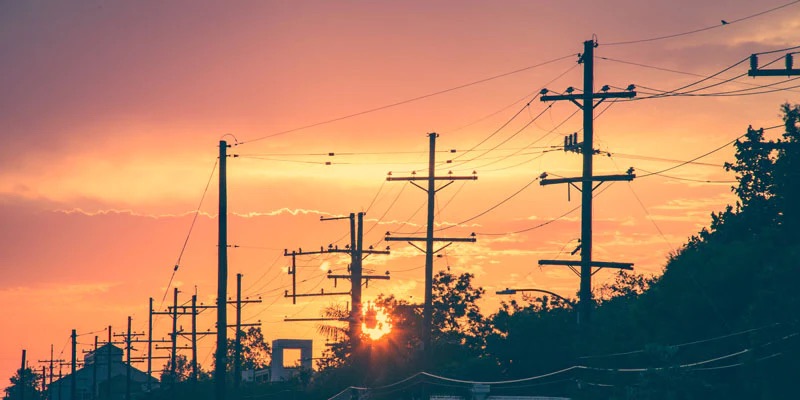
• Overhead power lines: $70,000 to $150,000 per kilometer, depending on voltage and terrain. This is typically for high voltage connections (2400 volts to 16,000 volts) where you own and maintain the line or you are able to build the line for your local utility for them to later take over after completion. Building towers line for transmission infrastructure are far more expensive and those costs are not covered here.
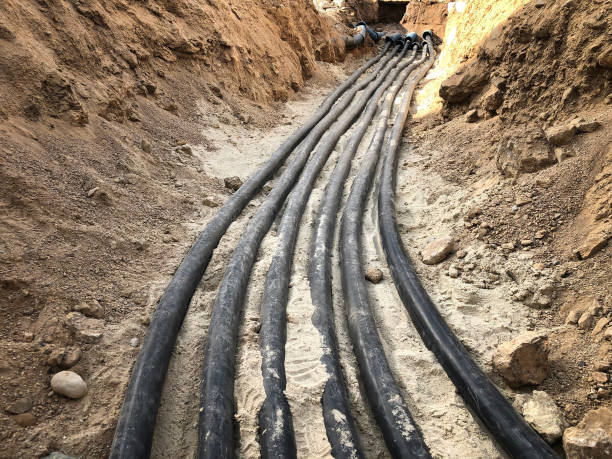
• Underground power lines: Varies greatly per kilometer due to voltage, size of conductor, trenching and insulation requirements.
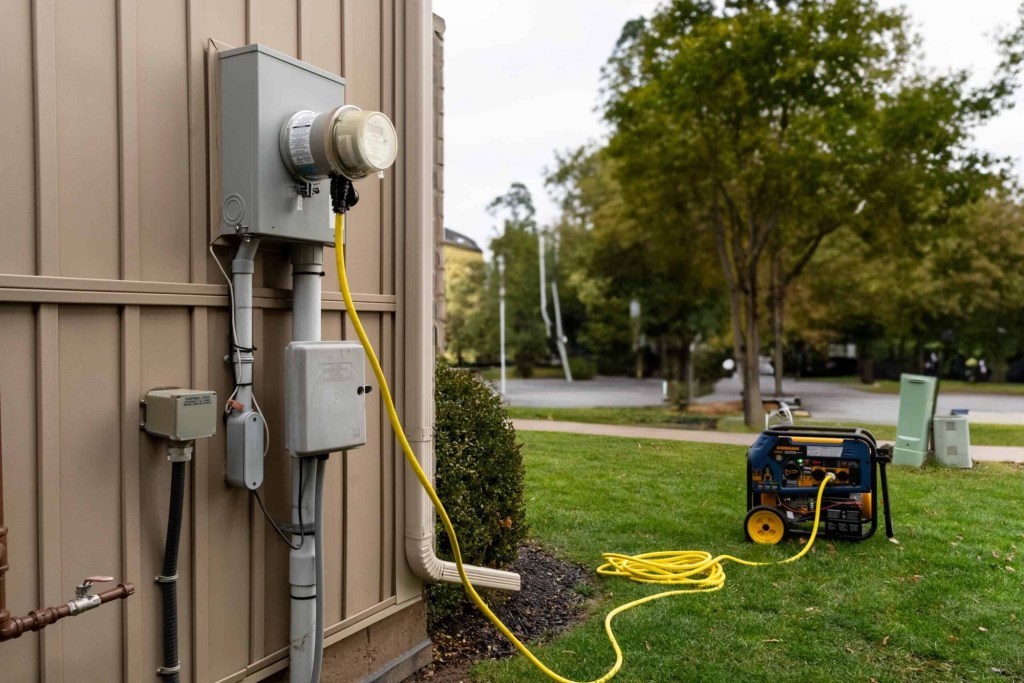
• Residential service connection: $5,000 to $15,000, depending on distance and complexity. This types of connections are the usual for most customers (underground, single pole installations with an anchor or temporary service pedestals).
How to Keep Costs Manageable
• Plan ahead – Early consultation with a qualified contractor can help avoid costly surprises.
• Consider future needs – Installing higher-capacity lines now can save on upgrades later.
• Use existing infrastructure – If possible, tie into nearby power sources instead of building from scratch.
At Polecat Power Line Company, we provide expert consultation and cost-effective power line construction solutions across Central and Eastern Ontario. Contact us today to discuss your project and get a customized estimate.
 Polecat Power Line Company
Leave a comment