
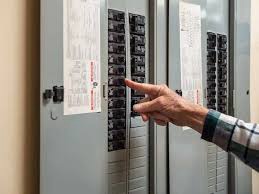
Your home’s electrical system is one of its most important components, yet it’s often overlooked until something goes wrong. Aging wiring, outdated panels, and overloaded circuits can create safety hazards and lead to costly repairs. If you’re wondering whether your home’s electrical system needs an upgrade, here are some key signs to watch for.
Click here to contact Polecat Power Line for a free no obligation estimate.
1. Frequent Breaker Trips or Blown Fuses
Circuit breakers are designed to shut off power when a circuit becomes overloaded. If your breakers are frequently tripping, it could mean:
• Your electrical panel is outdated
• Your home’s power demand exceeds the system’s capacity
• There’s a short circuit or wiring issue
If you still have a fuse box instead of a modern breaker panel, it’s time for an upgrade.
2. Flickering or Dimming Lights
If your lights flicker or dim, especially when using appliances like a microwave or air conditioner, it could indicate:
• Overloaded circuits
• Loose or damaged wiring
• A failing electrical panel
This is more than just an annoyance—it can be a sign of a serious electrical issue that needs professional attention.
3. Warm or Discolored Outlets and Switches
Outlets and light switches should never feel warm to the touch. If they do, it could mean:
• Overloaded circuits
• Loose wiring creating heat buildup
• A potential fire hazard
Darkened or scorched outlets are a major warning sign. Turn off the power and call an electrician immediately.
4. You Rely on Extension Cords and Power Strips
If you find yourself constantly using extension cords and power strips, it means your home doesn’t have enough outlets for modern electrical needs. This can:
• Overload circuits and increase fire risk
• Cause wires to overheat
• Indicate outdated wiring that needs upgrading
A licensed electrician can install additional outlets and upgrade your wiring to handle today’s electrical demands safely.
5. Your Home Still Has Aluminum Wiring
Homes built in the 1960s and 70s often used aluminum wiring instead of copper. Over time, aluminum wiring can:
• Become loose and cause overheating
• Increase the risk of electrical fires
• Reduce efficiency compared to modern copper wiring
If your home has aluminum wiring, consider upgrading to copper or having an electrician install approved connectors to make it safer.
6. You Have an Outdated Electrical Panel
Older electrical panels weren’t designed for today’s high power demands. If you have:
• A panel with 60 or 100 amps instead of the standard 200 amps
• A Federal Pacific, Zinsco, or Pushmatic brand panel, which are known fire hazards
• A panel over 25 years old
…it’s time for an upgrade. A modern electrical panel ensures your home can handle current and future power needs safely.
7. Buzzing, Crackling, or Burning Smells
Unusual sounds or smells coming from outlets, switches, or the electrical panel should never be ignored. These could be signs of:
• Loose or damaged wiring
• Electrical arcing, which can start fires
• Overheated circuits
If you ever smell burning plastic or hear sizzling from your electrical system, turn off power and call an electrician immediately.
8. Your Home Was Built Over 30 Years Ago
Older homes weren’t designed for modern electrical loads. If your home is over 30 years old and has never had an electrical upgrade, you may experience:
• Insufficient power supply for today’s appliances
• Outdated wiring that doesn’t meet modern safety codes
• A higher risk of electrical fires
An electrical inspection can help determine if your home needs an upgrade.
Upgrade Your Electrical System with Polecat Power Line Company
If you’ve noticed any of these warning signs, it’s time to call a professional. At Polecat Power Line Company, we specialize in residential electrical upgrades, ensuring your home is safe, efficient, and up to code.
Need an Electrical Upgrade? Contact Us Today
614-442-8000
polecatpowerlineco@gmail.com
www.polecatpowerlinecompany.com
 Polecat Power Line Company
Leave a comment